From Local Waste to Useful Feed: The Zootech Story
Zootech focuses on helping farmers lower feed pressure by using locally available materials. We process selected by-products like sawdust and palm kernel cake into safer, more useful feed support that can be blended into everyday farm rations.
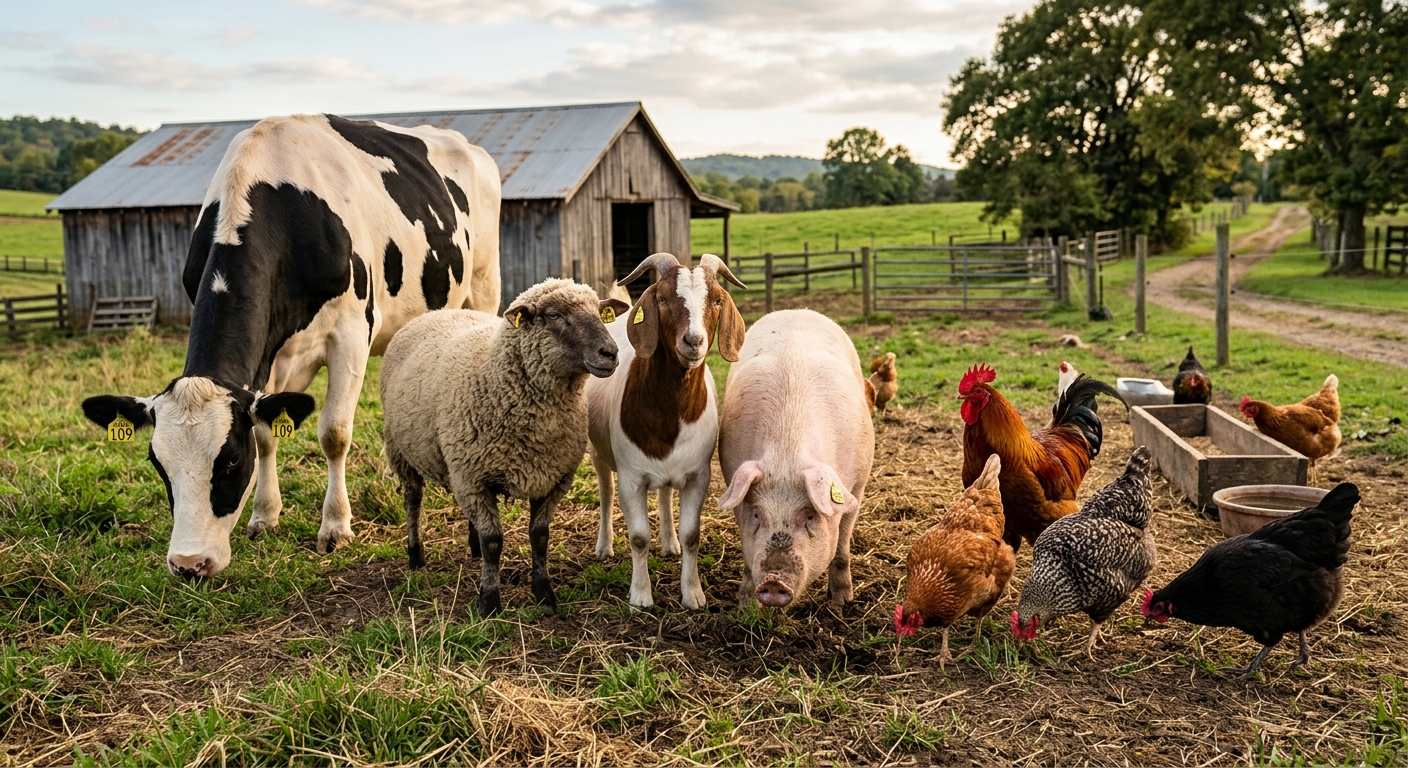
Practical Farm Testing
Zootech products have been tested in real farm settings across different animal groups, with a focus on steady performance, safe use, and day-to-day affordability for producers.
Figure 1: Herd groups in routine farm feeding programs using Zootech-supported feed plans.
Key Highlights
Built around by-products that are commonly available in local production corridors.
Designed for livestock systems including pigs, poultry, cattle, goats, and sheep.
Built to reduce pressure from expensive conventional feed ingredients.
Processed with quality checks and practical handling guidance for farm use.
1. Why Farmers Need Better Feed Options
Feed is one of the biggest expenses in animal production. When prices of common feed ingredients rise, small and medium farmers feel it first. Zootech was developed to offer a practical option that relies more on local resources and less on costly imported inputs.
In many regions, farmers also face competition between human food needs and animal feed needs. That is why by-product based feeding systems are becoming more important.
2. Turning Underused Materials into Value
Sawmills generate large amounts of sawdust every day, and much of it is wasted or burned. Zootech's approach is to channel suitable by-products into feed support so they create value for farms instead of becoming an environmental burden.
Raw materials like sawdust are not fed directly. They must be properly processed and blended before farm use.
Important Note:
Zootech does not recommend feeding untreated sawdust directly to animals. Proper processing and balanced mixing are essential for safe use.
3. How Zootech Mixes Are Used
Zootech feed products are concentrated support mixes used in small portions inside a full feed ration. The goal is simple: help farmers improve consistency, reduce waste, and keep feed plans practical.
Step 1: Select and Prepare Inputs
Suitable local materials are selected, cleaned, and prepared before they are included in any feed support mix.
Step 2: Controlled Processing
Inputs go through controlled treatment to improve handling and feeding usefulness.
Step 3: Balanced Blending
Processed material is blended with selected support ingredients to make a stable concentrate.
Step 4: Farm-Ready Output
The final product is packed for easy integration into common feeding routines on farms.
4. Practical Comparison
Farmers usually compare new feed options by three things: availability, ease of use, and cost pressure. Zootech products are positioned as practical supplements that fit local realities.
| Practical Checkpoint | Raw By-Product | Simple Treated Fiber | Zootech Mix | Conventional Feed Blend |
|---|---|---|---|---|
| Ready for Direct Feeding | No | Limited | Yes, as part of a blend | Yes |
| Ease of Daily Use | Low | Medium | High | High |
| Suitable for Multiple Animal Types | No | Partial | Yes | Yes |
| Access to Local Inputs | High | Medium | High | Low to Medium |
| Cost Pressure on Farmer | Low purchase, low direct use value | Medium | Lower pressure option | Often high |
Table 1: Public-facing comparison for general understanding. For farm-specific recommendations, request direct guidance.
5. Farm Experience and Herd Health Focus
Across field use reports and farm partner feedback, Zootech focuses on outcomes that matter most: steady growth patterns, manageable feed routines, and practical animal care support.
- Steady Growth Support: Farmers use Zootech mixes to help keep growth performance consistent within balanced rations.
- Routine-Friendly Feeding: Products are designed to fit into everyday farm feeding schedules without complex handling.
- Health-Conscious Use: Zootech emphasizes responsible use and farm management practices as part of herd health planning.
"Our aim is simple: make feed more practical and affordable for farmers while reducing waste from local industries."
6. Environmental and Community Value
When by-products are reused instead of burned or dumped, communities benefit from cleaner surroundings and better material use. This approach also opens new local business opportunities around feed support production.
Local production models can shorten supply chains, reduce dependence on distant suppliers, and support employment in agriculture-linked value chains.
Download Complete Working Paper (PDF)
Includes a non-technical product overview, farm use notes, and partnership information.